
Heat-resistant polyethylene (PE-RT) pipes for hot and cold water are commonly abbreviated as PE-RT in English. PE-RT resin is a medium-density ethylene-octene copolymer formed by copolymerizing ethylene monomer and octene monomer. Its narrow molecular weight distribution and special molecular structure, where octene is evenly distributed on the polymer backbone, enable it to retain the original hygienic and processing properties of PE while enhancing high-temperature durability. Additionally, PE-RT exhibits characteristics such as easy bending, no deformation, and no rebound, making it an ideal pipe material for floor heating.
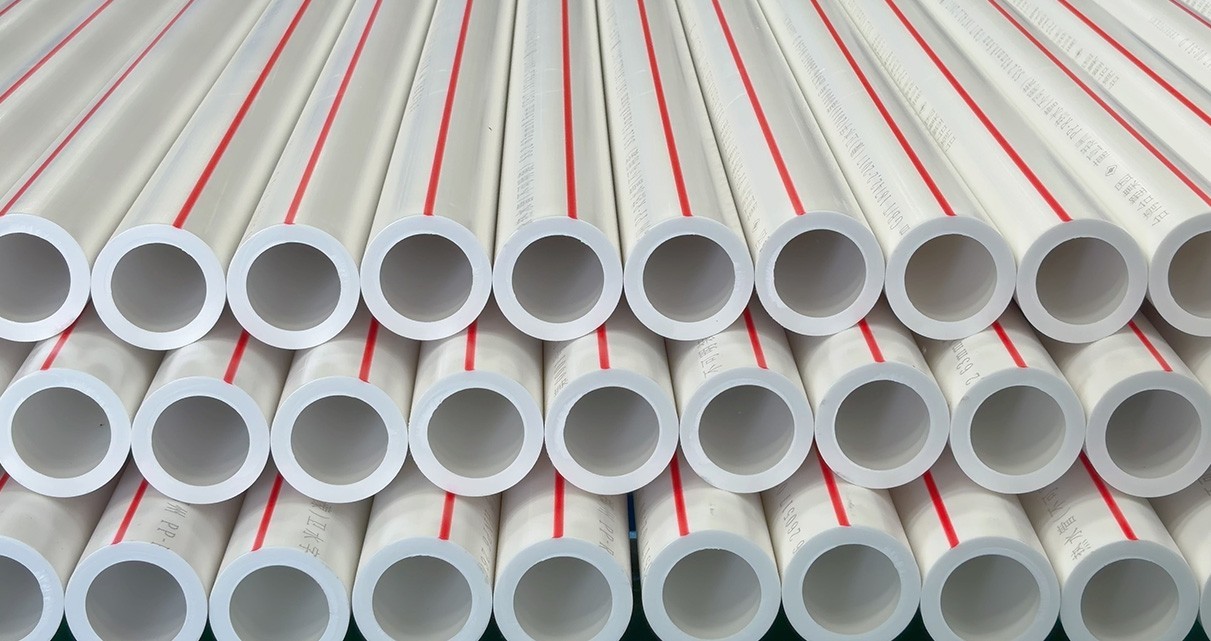
1. Corrosion resistance and scale prevention: PP-R pipes exhibit excellent corrosion resistance, prevent scale buildup, and do not harbor bacteria, eliminating concerns about pipeline scaling and blockage, as well as yellow stains and rust on washbasins and bathtubs.
2. Non-toxic and good hygienic performance: This product has undergone rigorous testing and fully meets the national drinking water standard requirements, making it suitable for use in drinking water and food industry pipeline systems.
3. High temperature resistance and good thermal insulation: The softening temperature of PP-R pipe is 131.5°C, allowing it to transport hot water with a temperature up to 70°C under permissible long-term continuous working pressure. This product also has good thermal insulation function, with a thermal conductivity about 1/200 of that of metal pipes, reducing heat loss during hot water transportation.
4. Smooth inner wall, low water flow resistance: PP-R pipes have a smooth inner wall, resulting in low water flow resistance and high flow rate. Compared to metal pipes of the same inner diameter, they can increase the flow rate by over 30%.
5. High mechanical strength: PP-R pipe has good toughness, impact resistance, and high mechanical strength, making it particularly suitable for use in low and high temperature environments,
6. Lightweight, easy to install, and reliable: PP-R pipes weigh only 1/8 of metal pipes, making them easy to handle. They are connected using hot melting, which is fast and eliminates the concern of leakage.
1. Pipes for cold and hot water in residential construction
2. Tubes for conveying purified water and pure water
3. Tubes for hot water circulation and heating and heating systems
4. Water supply pipes for food, beverage, and pharmaceutical factories
5. Gas pipes
6. Central air conditioning condensate water conveyance
7. Water piping
8. Tubes for aquaculture
9. Pipes for water treatment
10. Compressed air pipe
11. Industrial cold and hot water supply and drainage pipelines
|
试验项目 |
单位 |
标准值 |
执行标准 |
|
纵向收缩率 |
% |
≦2 |
GB/T18742.2-2002 |
|
简支梁冲击试验(0±2℃) |
% |
TIR<10 |
|
|
静液压试验 (20℃,22h,4.2Mpa) |
|
无破裂,无渗漏 |
|
|
熔体质量流动速率MFR (230℃/5kg g/10min) |
|
变化率≦原料的30% |
|
|
静液压热稳定性试验 (20℃,1h,16.0Mpa) |
|
无破裂,无渗漏 |
|
|
静液压热稳定性试验 (95℃,22h,4.2Mpa) |
|
无破裂,无渗漏 |
|
|
静液压热稳定性试验 (95℃,165h,3.8Mpa) |
|
无破裂,无渗漏 |
Chemical properties: PPR exhibits strong resistance to acids, alkalis, alcohols, low-boiling hydrocarbon solvents, and many organic chemicals. At room temperature, PPR is essentially insoluble in most organic solvents. Furthermore, when exposed to soap, soap and alkali solutions, aqueous reagents, and alcohols, they do not undergo environmental stress cracking damage, as many other polymers do. When in contact with certain chemicals, especially liquid hydrocarbons, chlorinated organics, and strong oxidizers, they can cause surface cracks or swelling. Non-polar compounds are generally more easily absorbed by polypropylene than polar compounds. Its molecules consist only of carbon and hydrogen elements, with no harmful or toxic elements present.