
The heat-resistant polyethylene pipe for cold and hot water, abbreviated as PE-RT in English, is a medium-density ethylene-octene copolymer formed by copolymerizing ethylene monomer and octene monomer. Its narrow molecular weight distribution and special molecular structure, where octene is evenly distributed on the polymer backbone, not only retain the original hygienic and processing properties of PE, but also enhance high-temperature durability. PE-RT also features easy bending, no deformation, and no rebound, making it an ideal pipe material for floor heating.
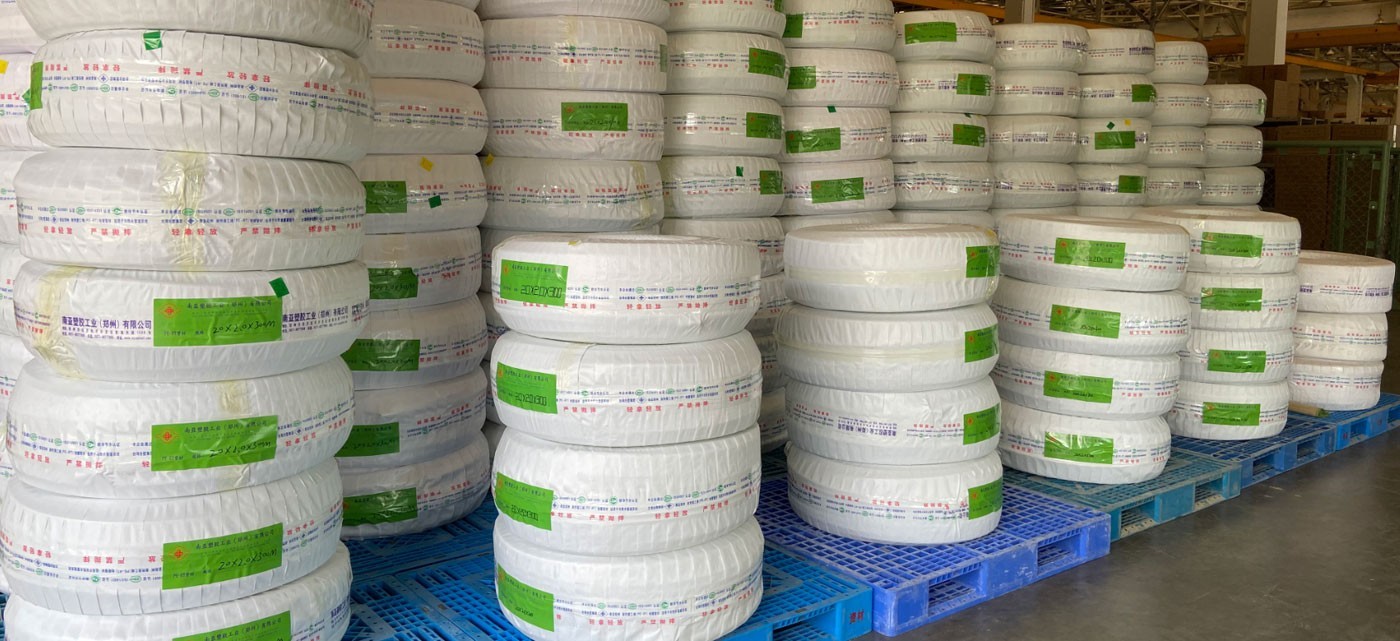
1. Lightweight, easy and reliable installation: PE-RT pipe is lightweight, with a specific gravity of only 1/8 that of metal. It is easy to handle and can be connected via hot melting, ensuring safety and reliability without the worry of water leakage.
2. Good flexibility: Its bending radius can be as small as 5 times the outer diameter of the pipeline. It is convenient and economical to lay. During construction, the pipeline can reduce the usage of fittings by coiling and bending, thereby lowering the cost of use.
3. No rebound upon bending: When bending, the stress in the curved section can be quickly relaxed, preventing the "rebound" phenomenon. This facilitates construction operations and avoids damage to the pipeline at the bend due to stress concentration during use.
4. The inner wall is smooth, resulting in low water flow resistance.
5. Good low temperature resistance: PE-RT has a low brittle temperature and excellent low temperature resistance, making it suitable for floor heating installation in winter conditions. Additionally, it does not require preheating when bending pipes.
6. Good chemical corrosion resistance.
7. Long service life.
8. Good impact resistance and high safety performance.
9. Good heat dissipation performance: PE-RT has good heat dissipation performance, with a thermal conductivity of 0.4kw/M.K. In heating applications, it can improve heat transfer efficiency and save a significant amount of energy.
1. PE-RT floor heating pipes are suitable for residential buildings, villas, hotels, restaurants, office buildings, shopping malls, hospitals, theaters, classrooms, libraries, exhibition halls, conference rooms, swimming pools, entertainment venues, etc.
2. PE-RT floor heating pipes can also be used in industrial fields such as greenhouses, flower houses, computer rooms, fish farms, nurseries, livestock farms, airports, as well as outdoor stations, parking lots, ramps, outdoor sports, and other ground snow melting projects.
3. Building cold and hot water supply, and pipeline drinking water system.
4. Fluid conveying pipelines for beverages, alcohol, milk, etc. in the food industry.
1. Lightweight, easy and reliable to install: PE-RT pipe is lightweight, with a specific gravity of only 1/8 that of metal. It is easy to handle, can be connected via hot melting, and is safe and reliable, eliminating the worry of water leakage.
2. Good flexibility: Its bending radius can be as small as 5 times the outer diameter of the pipeline. It is convenient and economical to lay. During construction, the pipeline can reduce the amount of pipe fittings used by coiling and bending, thereby lowering the cost of use.
3. No rebound upon bending: When bending, the stress in the curved section can be quickly relaxed, preventing the "rebound" phenomenon. This facilitates construction operations and avoids damage to the pipeline at the bend due to stress concentration during use.
4. The inner wall is smooth, resulting in low water flow resistance.
5. Good low temperature resistance: PE-RT has a low brittle temperature and excellent low temperature resistance, making it suitable for floor heating installation even in winter conditions, and no preheating is required when bending the pipes.
6. Good chemical corrosion resistance.
7. Long service life.
8. Good impact resistance and high safety performance.
9. Excellent heat dissipation performance: PE-RT boasts excellent heat dissipation performance, with a thermal conductivity of 0.4kw/M.K. This allows for improved heat transfer efficiency in heating applications, resulting in significant energy savings.
|
介质
|
浓度
|
PE
|
介质
|
浓度
|
PE
|
||
|
200C
|
60C
|
200C
|
60C
|
||||
|
盐酸
|
10%
|
S
|
S
|
高锰酸钾
|
20%
|
S
|
S
|
|
浓缩
|
S
|
S
|
次氯酸钾
|
非饱合
|
S
|
S
|
|
|
硫酸
|
10%
|
S
|
S
|
次氯酸钾
|
15%
|
S
|
S
|
|
50%
|
S
|
S
|
氧化铁(II)(III)
|
饱合
|
S
|
S
|
|
|
98%
|
S
|
N
|
饱合
|
S
|
S
|
||
|
雾
|
NS
|
NS
|
溴(液态)
|
100%
|
NS
|
NS
|
|
|
硝酸
|
25%
|
S
|
S
|
海水
|
|
S
|
S
|
|
50%
|
L
|
NS
|
牛奶
|
|
S
|
S
|
|
|
75%
|
NS
|
NS
|
甲醛
|
40%
|
S
|
S
|
|
|
100%
|
NS
|
NS
|
甲苯
|
100%
|
L
|
NS
|
|
|
氢溴酸
|
50%
|
S
|
S
|
尿不
|
|
S
|
S
|
|
100%
|
S
|
S
|
酸
|
|
S
|
S
|
|
|
乙酸
|
10%
|
S
|
S
|
丁烷(气)
|
100%
|
|
S
|
|
水扬酸
|
饱合
|
S
|
S
|
啤酒
|
|
S
|
S
|
|
甲酸
|
50%
|
S
|
S
|
四氧化碳
|
100%
|
L
|
NS
|
|
98-100%
|
S
|
S
|
甲醇
|
100%
|
S
|
S
|
|
|
苯甲酸
|
非饱合
|
S
|
S
|
葡萄糖
|
饱合
|
S
|
S
|
|
氟硅酸
|
40%
|
S
|
S
|
矿物油
|
|
S
|
L
|
|
铬酸
|
20%
|
S
|
L
|
汽油、石油(脂肪族碳氧化合物)
|
100%
|
S
|
L
|